In the summer of 2025, Lori and I spent a week in Budapest. There were the typical experiences to be had, no doubt – seeing the Hungarian State Opera house, the famed Parliament building along the Danube, both of which were really special. But something that I didn’t expect quite so much from Budapest was how openly it wears its scars.
Budapest, Hungary: A City That Doesn't Hide Its History
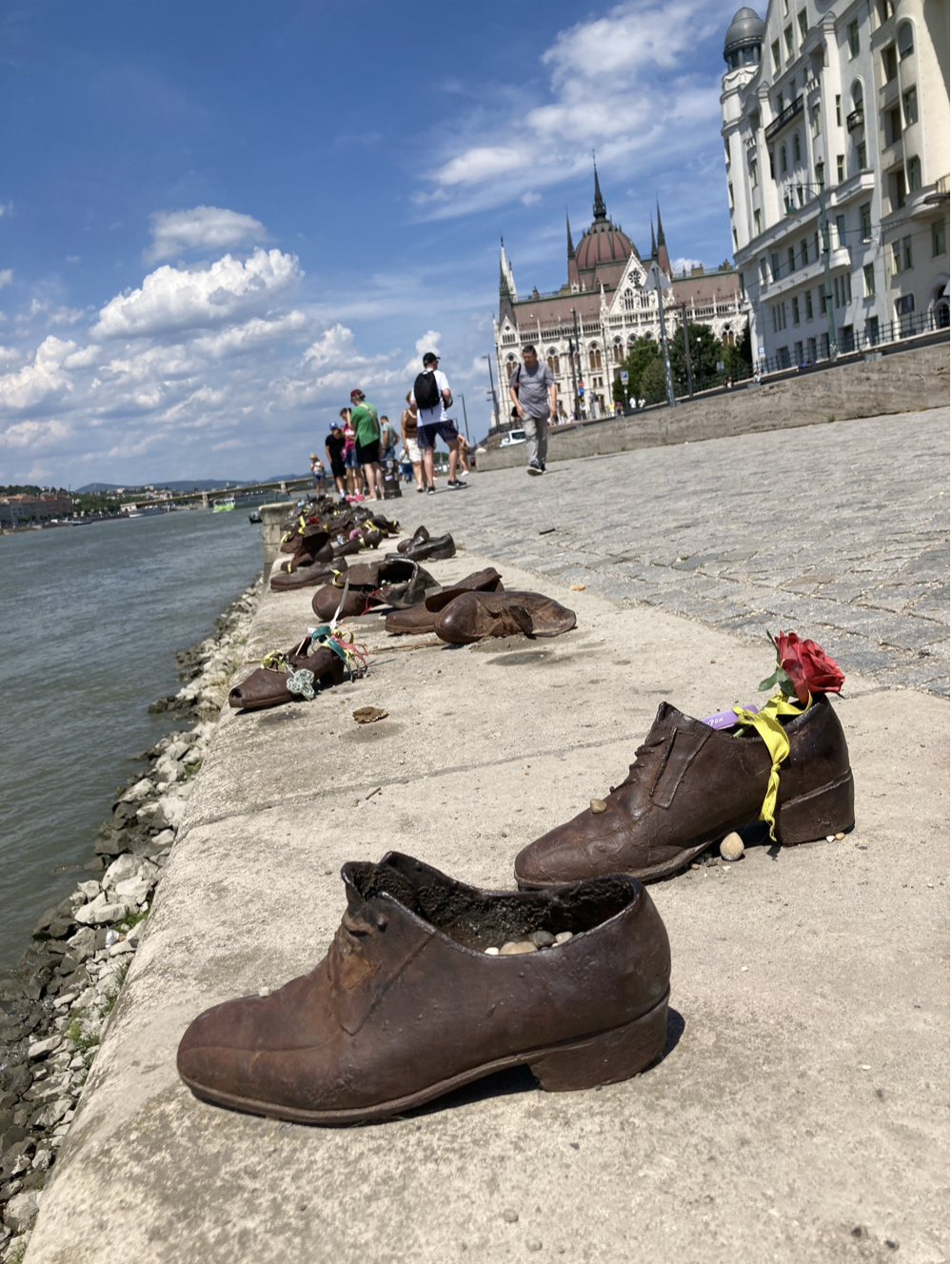
Photo credit: Lori Gassler
Budapest and the rest of Hungary have been through a lot in the past 150+ years. There is a whole complicated history with the Austro-Hungarian empire’s collapse, then roles in the world wars of the early twentieth century, and most recently, the Soviet communist influence and subsequent liberation from that system.
During our visit to Budapest, we were fortunate to take a bike tour of the city with a wonderful guide. What he showed us was not only the beauties of Budapest, but also monuments, artworks, and relics of these hard times in their history. I found it fascinating to take in a lot of these mixed signals, such as balancing the beauty of the Parliament building with a poignant bronze monument, just meters away, along the banks of the Danube at a spot where thousands of Jewish Hungarians met their end during World War II. The fact that the history hasn’t been glossed over or sugar-coated was impressive to me.
Photo: Shoes on the Danube Bank, with the Hungarian Parliament building in the background. On this site the Winter of 1944-45, thousands of Hungarian Jews were told to remove their shoes, then executed and pushed into the Danube River. This memorial of bronze shoes was made in 2005.
Rouen, France: The Scars of World War II
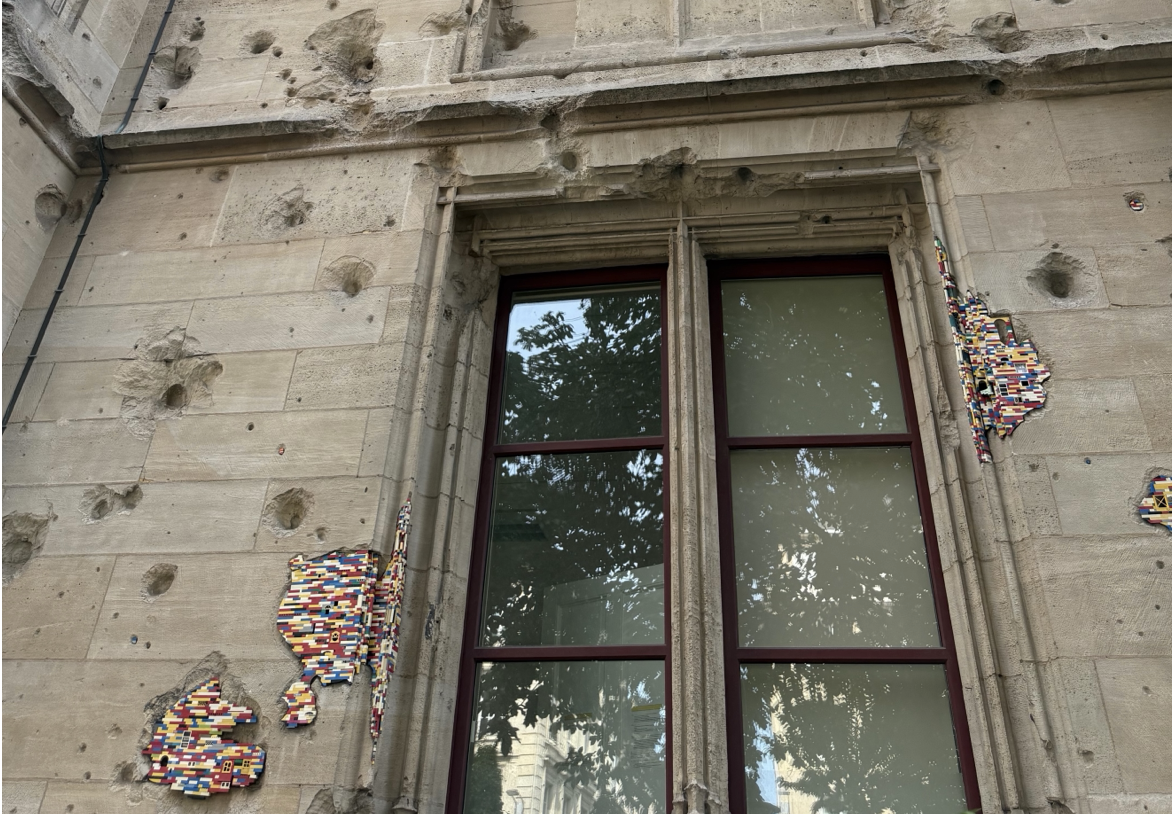
The Palais de Justice, Rouen, France, with Lego bricks filling some of the wounds of war.
Photo credit: Lori Gassler
Another similar experience happened this past summer when Lori and I were in Rouen, France. There we saw the exterior the Palais de Justice (courthouse) that was damaged by heavy fighting during World War II. The pockmarks from artillery shells have been left intentionally on the building’s exterior as a reminder, another city wearing its scars. And further, a recent project undertaken by an artist has filled some of the gaps in the building with colorful Lego blocks, as a further statement about the fragile nature of healing the wounds of war.
London, England: Finding Beauty in the Ruins
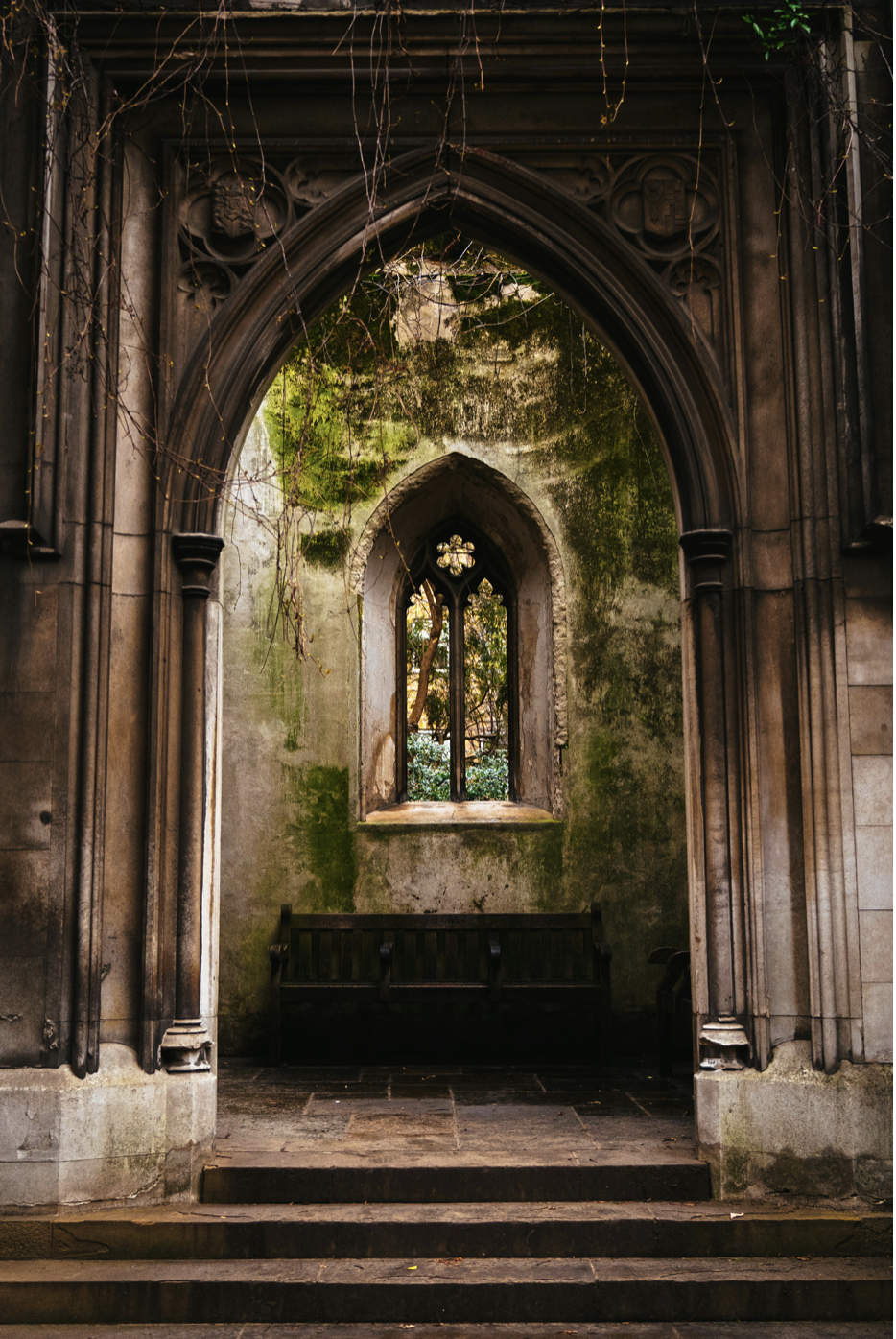
Photo: The remains of St. Dunstan in the East church in London’s financial district.
Photo credit: Alfred Kenneally
And a few years ago, while in London with my daughter, we accidentally found a spot in the financial district that is a quiet monument – St. Dunstan in the East. This former church was a victim of heavy bombing during World War II and only some of its exterior walls remain. After abandoning rebuilding efforts in the 1960’s, the space was turned over to the City of London, now making a serene, small park and monument amidst modern skyscrapers. Another city wearing its scars.
What These Places Can Teach Us
These places can tell us stories of the past, but also stories of warning about the future. I believe we would all do well to search out some of the scars worn by cities and towns around the world and learn from the stories they have to tell.
Meet The Author

Meet Chris Gassler
Chris Gassler is a Europe-focused travel advisor and fluent French speaker who has lived abroad and traveled extensively across the continent. Through Hidden Pearl Travel, he helps travelers plan well-paced, deeply personal trips that feel intentional rather than overwhelming.