Traveling in Europe is deeply rewarding — but it’s also layered with cultural nuance.
After living abroad and spending years traveling across the continent, I’ve learned that small adjustments in behavior and mindset can make a huge difference in how welcome you feel.
These tips aren’t about rigid rules. They’re about awareness, respect, and blending in just enough to enjoy richer, more authentic experiences.
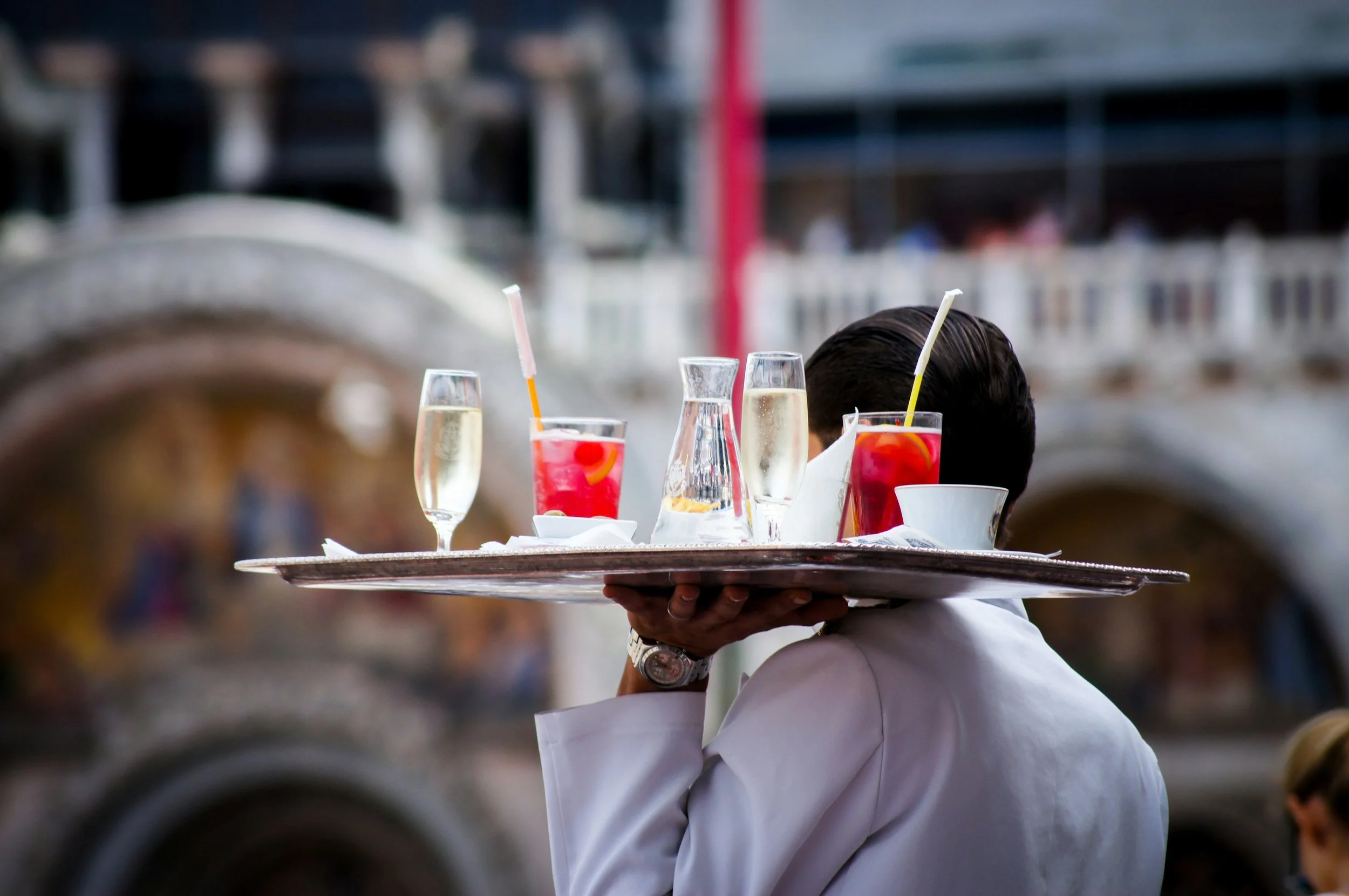
Tipping in Europe Is Different Than the U.S.
If you’re used to tipping 18–25% in restaurants, this one can feel strange at first.
In most European countries, tipping is not expected. Prices listed on menus already include tax and service, and restaurant staff earn a living wage paid by their employer. You’re welcome to leave a small tip for exceptional service, but it’s truly optional — not an obligation.
The good news? The price you see is the price you pay.

Europeans Aren’t Rude — But Politeness Looks Different
Despite the stereotype (yes, even about the French), Europeans are generally polite and helpful — if you understand a few cultural basics.
Two things matter a lot:
Language effort. Don’t assume English right out of the gate. Learn a greeting, try a phrase or two, and then say “I’m sorry, I only speak English” in the local language. The effort goes a long way.
Greetings. In places like France, starting a question without a simple “Bonjour” can instantly shut things down. Greet first. Always.
Do those two things, and you’ll likely find people warm, patient, and genuinely helpful.
Speed Limits Are Real Limits
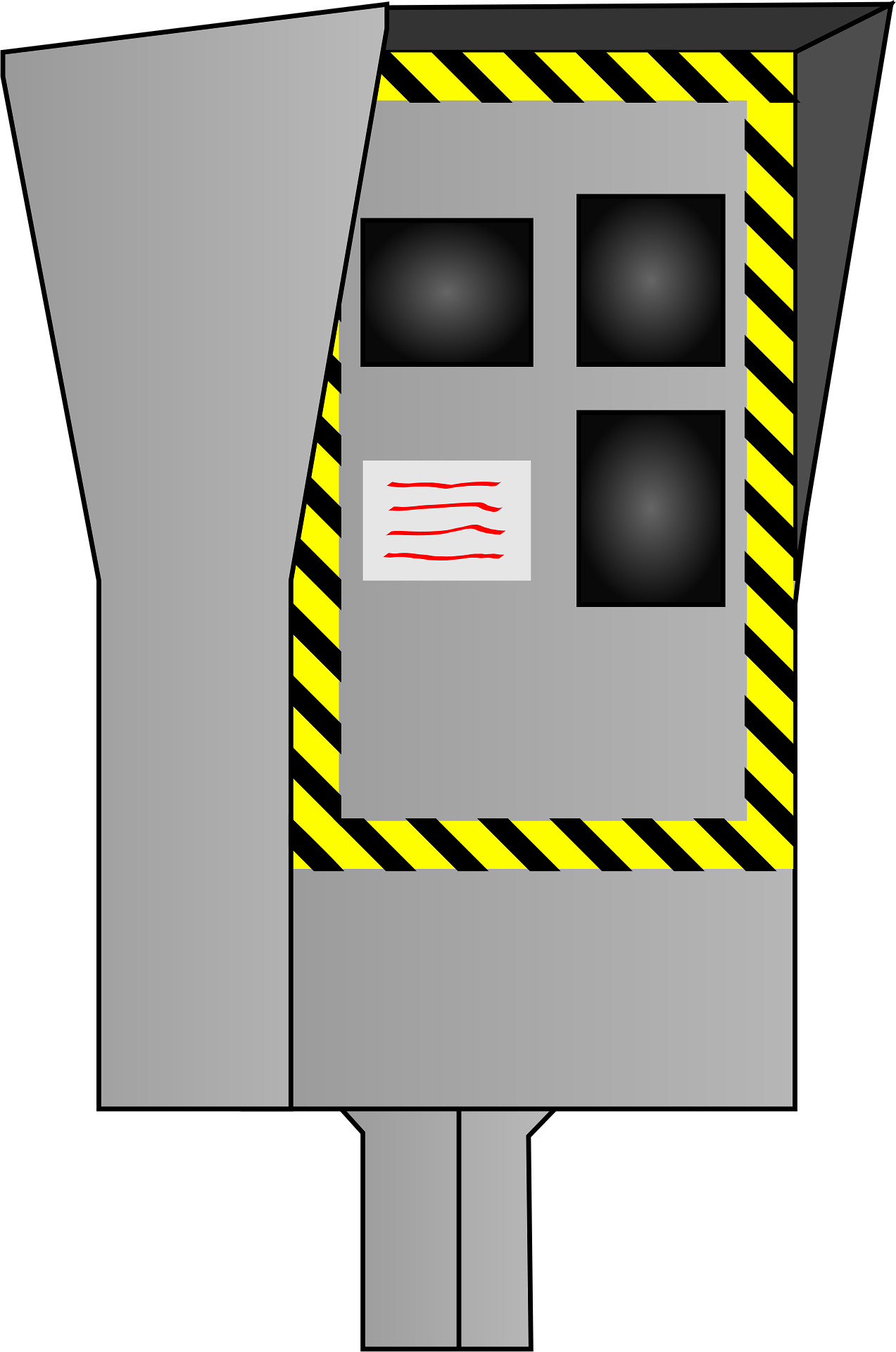
There is no “five over” buffer in most of Europe.
Speed limits are enforced by radar cameras — especially on highways and in cities — and tickets are mailed internationally weeks or even months later. To stay safe (and ticket-free), keep your speed slightly under the posted limit.
The same goes for red lights. That “deep orange” moment? Not worth it.
Keep Your Volume Down in Public Spaces
Many European cultures value calm public environments.
In restaurants, museums, public transit, and shops, speaking at the same volume as those around you is the norm. Loud conversations that feel perfectly fine in the U.S. can come across as disruptive elsewhere.
Quiet confidence blends in beautifully.
Acknowledge Your Wait Staff
This works everywhere — but it matters even more abroad.
Make eye contact. Say thank you when something is brought to the table. Use the local word for “please” or “thank you” when you can. Respect goes a long way, and service often improves noticeably when it’s mutual.
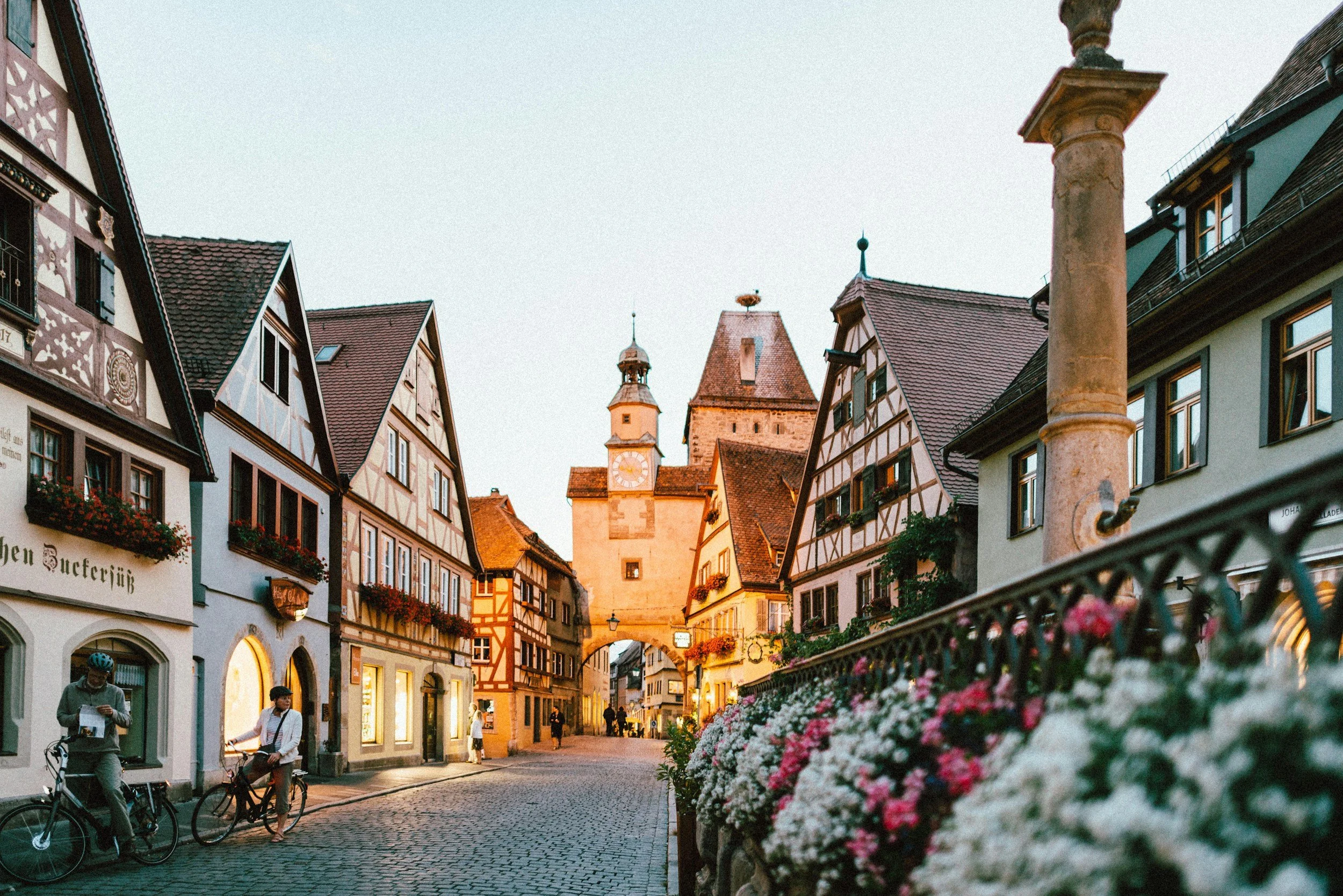
Remember: People Live Here
This is an easy one to forget on vacation.
Your destination isn’t a theme park — it’s someone’s hometown. Treat streets, shops, restaurants, and neighborhoods the way you’d want visitors to treat yours. A little awareness goes a long way toward positive interactions.
Different Doesn’t Mean Wrong
This one is tough — but important.
When you encounter something unfamiliar, resist the urge to label it as wrong. A classic example: tourists in the UK complaining that people “drive on the wrong side of the road.”
Imagine how that sounds to locals.
The fastest way to connect with another culture is to see differences as simply that — different, not incorrect.
Never Assume You’re Not Being Understood
Europe is multilingual in a way that surprises many travelers.
People who speak multiple languages often understand more than they let on. Never say something you’d be embarrassed to have understood — because eventually, someone will understand it.
Trust me on this one.
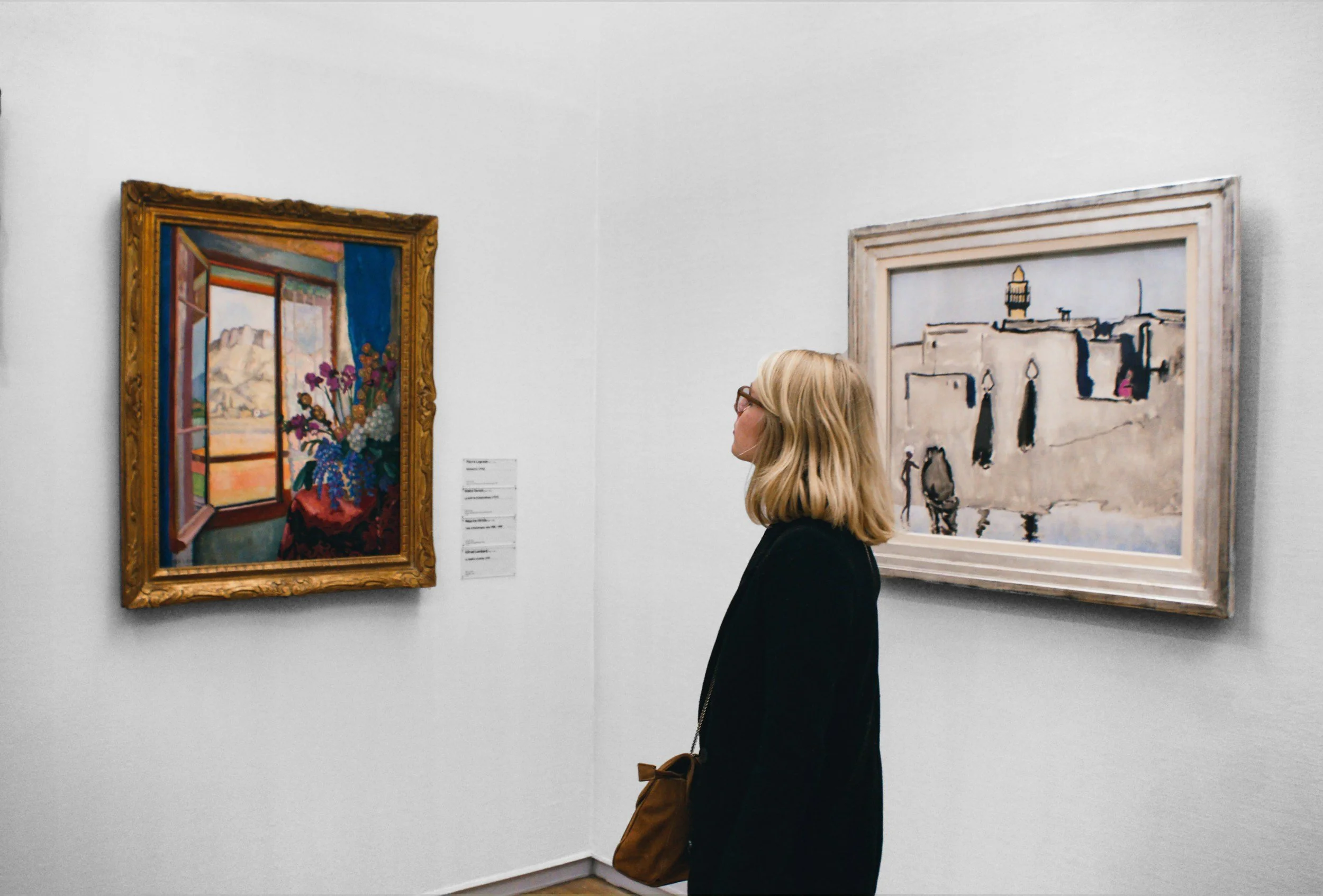
Be Spatially Aware in Public Places
Museums, sidewalks, shopping streets, and transit corridors are shared spaces.
Walking six people across. Blocking passageways. Stopping abruptly in narrow corridors. These small habits can create real frustration.
I once witnessed (and responded to) a situation in the Louvre where a group loudly assumed no one around them understood English. They were wrong.
Awareness and courtesy matter.
Embrace Smaller, More Efficient Spaces
Europe is denser than North America, and people are masters of efficiency.
Streets are narrower. Cars are smaller. Hotel rooms are more compact. Instead of resisting it, lean into it — it’s part of the charm. Watching how thoughtfully space is used can be fascinating in its own right.

Dress with Respect for the Setting
Athletic wear everywhere is very American.
You don’t need to dress up, but you also don’t want to look like you’re headed to the gym or a frat party. Smart-casual goes a long way.
And when visiting churches, cathedrals, mosques, or other places of worship, dress respectfully — including covering shoulders when required.
Travel becomes richer when you feel connected to where you are — not just physically present.
These small cultural adjustments open doors, soften interactions, and often lead to better service, better conversations, and better memories.
If you want help planning a European trip that balances logistics and cultural insight, that’s exactly what I do at Hidden Pearl Travel.
Author Bio

Meet Chris Gassler
Chris Gassler is a Europe-focused travel advisor and fluent French speaker who has lived abroad and traveled extensively across the continent. Through Hidden Pearl Travel, he helps travelers plan well-paced, deeply personal trips that feel intentional rather than overwhelming.
More to Explore